Powering the farm with cleaner, smarter systems.
A sustainable agricultural model built around cleaner energy, responsible resource use, long-term land stewardship — and a farm that can teach, host and grow with its community.
Cleaner energy for a working farm.
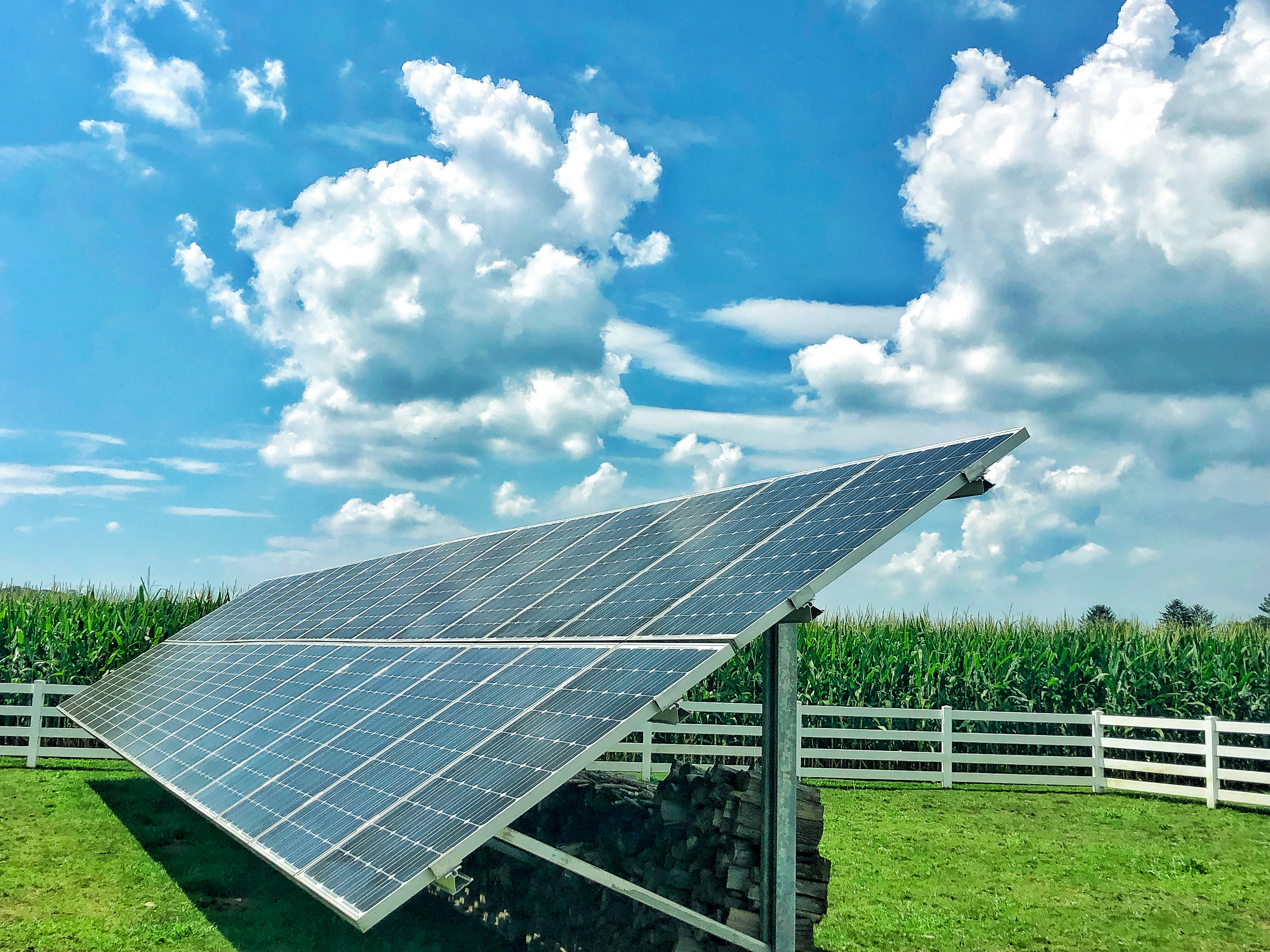
Solar energy forms a key part of our direction — supporting lighting, water pumping, irrigation, storage, security and future visitor facilities. By reducing dependence on unreliable power sources, the farm can operate with greater efficiency, resilience and environmental responsibility.
Six pillars of sustainability.
Using solar energy to support lighting, water movement, irrigation, storage, security and future visitor facilities.
Strengthening productivity through soil care, organic manure use, crop planning and responsible land management.
Improving water access, storage and irrigation systems to support crops and livestock more reliably.
Reusing farm by-products including livestock manure and crop residues, to reduce waste and improve farm circularity.
Building systems that help the farm remain productive, resilient and less dependent on unstable external resources.
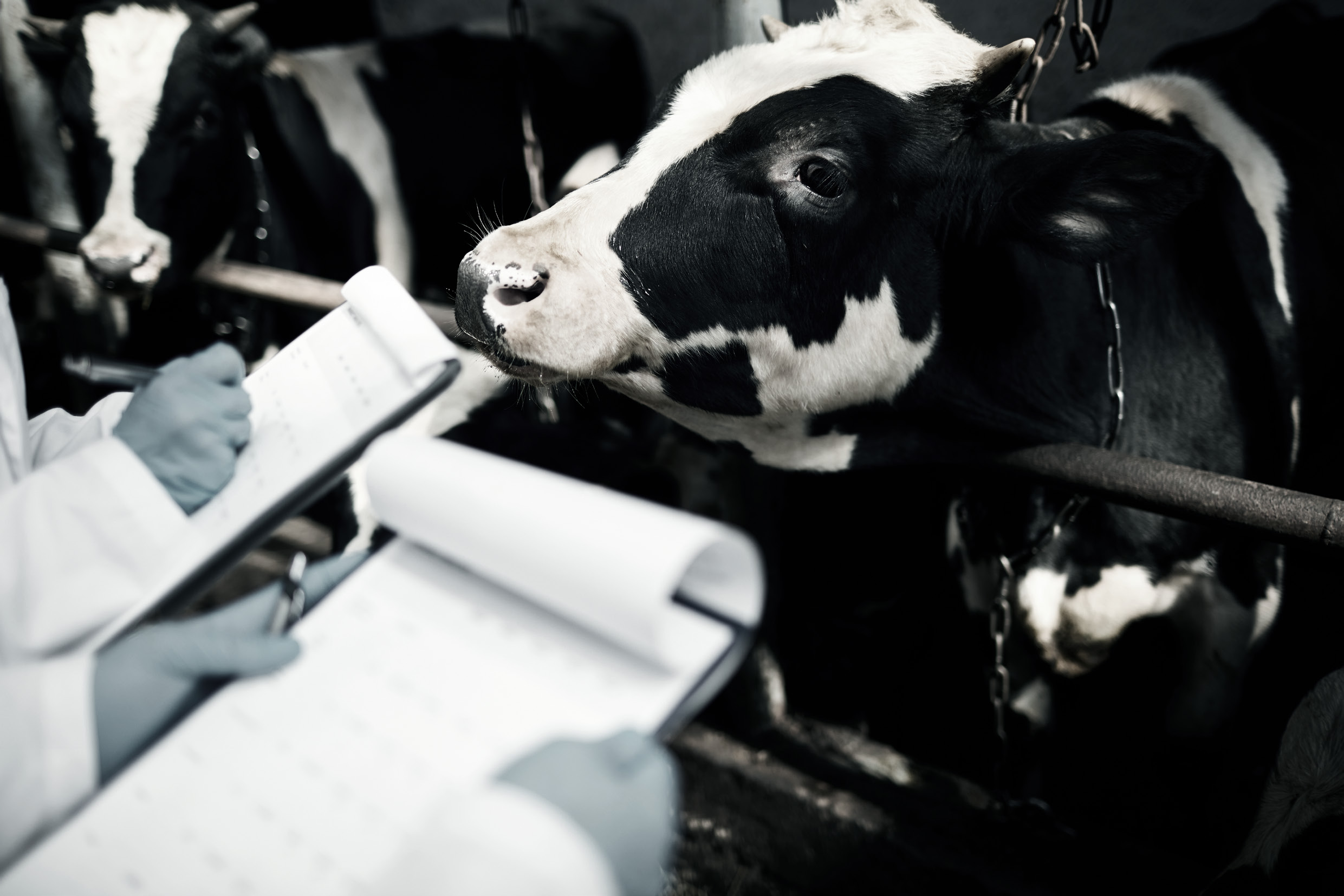
Improved housing, water access, storage, records and solar power for a more resilient, future-ready farm.
A farm that can teach.
Beyond production, Elaria Farm has the potential to become a practical learning environment — for schools, youth, community programs and future agricultural partners.
Youth training, agricultural demonstrations and partnerships with institutions interested in food security and sustainable agriculture.
School visits, community programs and shared learning around livestock care, crop production and everyday farm life.
A grounded experience of rural production, animal care and farm-to-table education — because food does not originate on supermarket shelves.
The next stage of Elaria Farm.
Our next phase is focused on structure, scale and stronger commercial readiness — improved housing, formal records, expanded planning, stronger livestock programs, market relationships and visitor experiences.
"The goal is not only to grow bigger. It is to become better organized, more productive, more trusted, and more useful to the people and markets the farm serves."
Come see the farm at work.
We welcome school groups, agricultural learners, market partners and community visitors.
Farming for resilience.
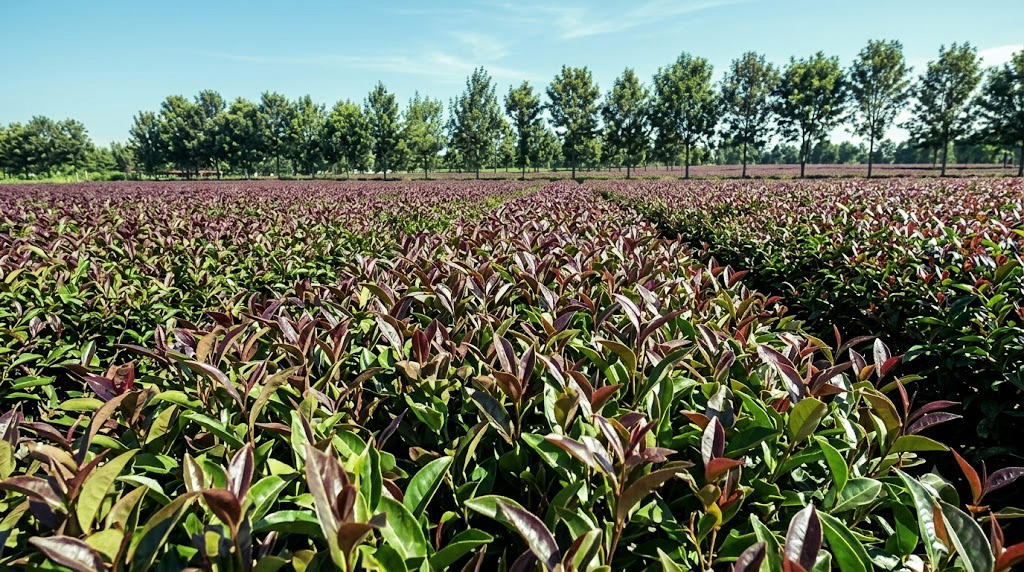
By combining maize, vegetables, coffee, poultry, goats and cattle, the farm reduces dependence on any single source of production. Crops support people and animals. Livestock supports food supply, manure production and income opportunities. Farm waste is redirected into soil improvement.